
“Go ahead,” he said with a thick Italian accent and a smile. “Take it!”
I looked first at the small box he was waving in his hand, and then up at my mother, searching for her disapproval. Somewhat to my chagrin, she nodded with enthusiasm to indicate that yes, I could take candy from a stranger — even this stranger with dark bushy eyebrows wearing a bloodied butcher’s apron. At least he was still behind the counter.
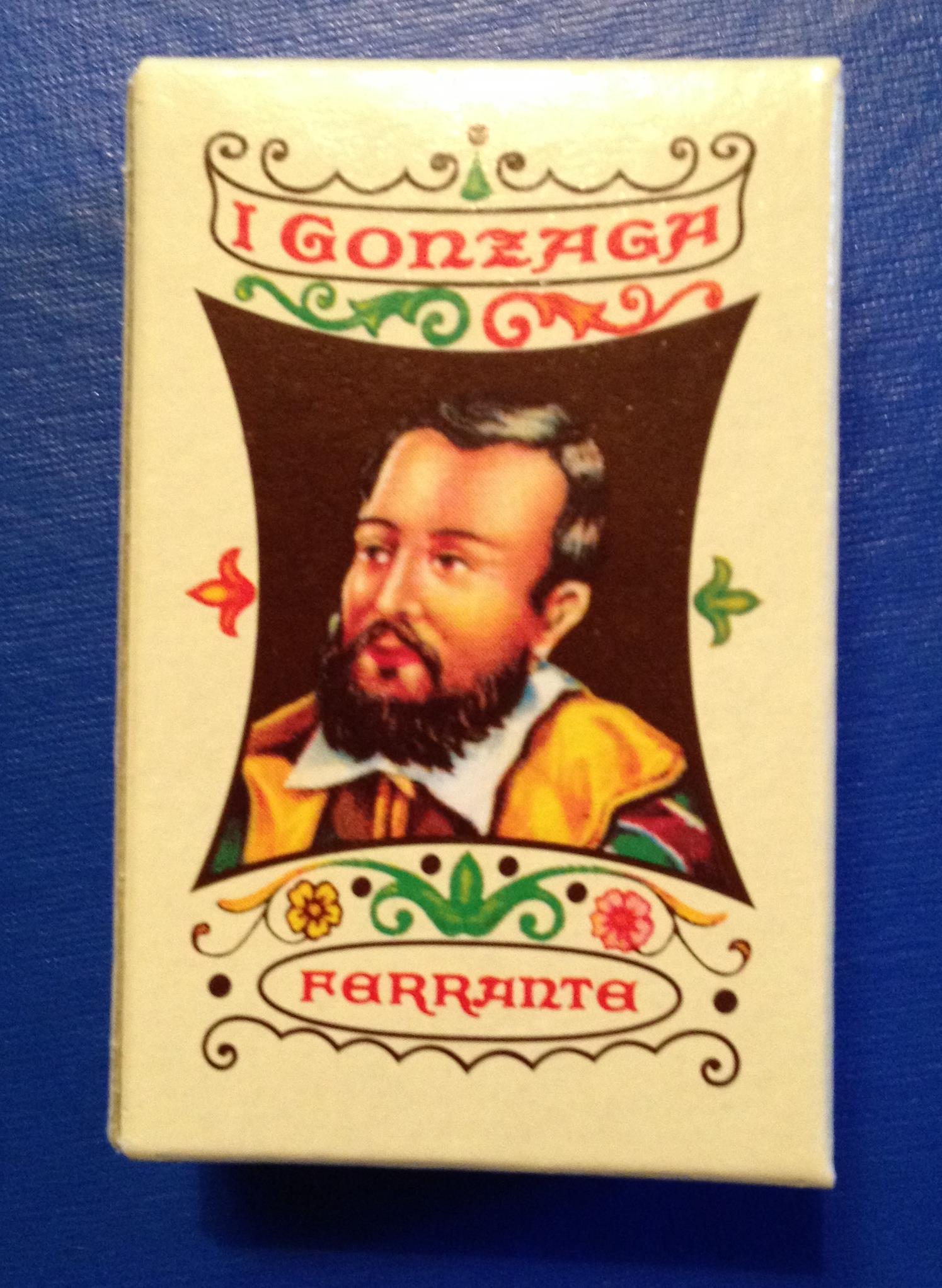
I put my palm out, and there he placed the dainty, pretty box — such an unbutcheresque item to be handing out to small children. Then I looked more closely, and it started to make more sense: the name Ferrante Gonzaga was emblazoned above and below the portrait of a bearded man (who, at the time, I had thought was the butcher himself; turns out, Gonzaga was a mercenary captain during the Renaissance). The flip side portrayed a statue of a triumphant Gonzaga gripping a spear while standing over his nemesis, Envy. 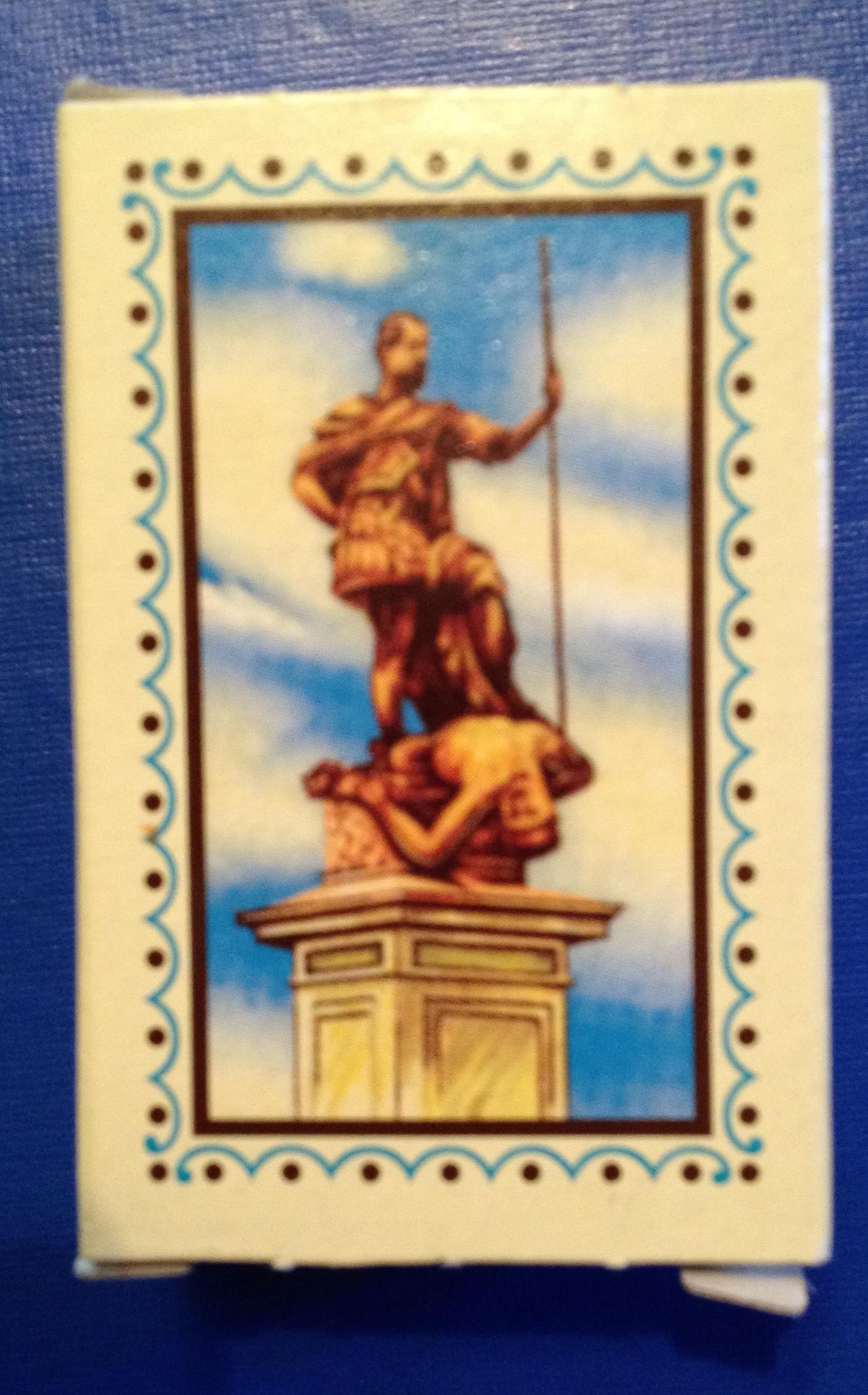 Strange box. Little swirls, flourishes, and embellishments in red, blue, and black, as well as the flavor — vaniglia written on the top flap, “vanilla,” on the bottom — contrasted with the military vibe of the pictures. La Florentine Almond Nougat Candy, it said on one side; I would henceforth know it as torrone.
I paused as I had a Pandora moment: voices in my head said, “Don’t open it!” I half expected envy, crime, hate and disease to fly out in so doing. But hope springs eternal, so I unfastened the flap and, well, hoped for the best.
I pulled out a little rectangle, neatly wrapped in soft, bendy foil, which contained an off-white, bland-looking smaller rectangle with nuts. I looked at my mom and wanted to give it back — but in the end, took a bite. And rather than the evils of the world springing forth, the box released a blissful dance for the senses in the form of torrone: sweet honey, crunchy nuts, chewy nougat, a whiff and the flavor of comforting vanilla. It was a delicious treat — even if the box was a little ominous — and a treat that my brother and I would look forward to each time we returned to La Romanina delicatessen in Menlo Park and found Tony behind the counter. He always made sure we left with our little box (as well as a slice of head cheese, but that’s another story for another day).
Many years between young adulthood and young motherhood passed before I would eat torrone again. When I open one today, new things fly out of the box: those joyous memories of trips to La Romanina and the Italian sandwich dinners that would result from such trips; visits to Lucca Deli on Chestnut Street in San Francisco’s Marina district, which was a few blocks away from my father’s childhood home. All it takes is a quick search on the internet to find people gushing with stories and memories linking toronne to holidays and family celebrations of long ago with Italian relatives. This little box has a power that transports.
Like everything else, torrone can be purchased online. But I feel so fortunate to have found them in abundance in an Italian food and wine shop in Dallas – and fortunate to have found the shop in general. Jimmy’s is a true microcosm of a Little Italy. Product after glorious product pack the shelves: pastas, risotto, house made (and celebrated) sausage and meatballs, wine, pickled and marinated vegetables, San Marzano tomatoes, coffee, Baci chocolates, La Florentine and Ferrara torrone, and countless other Italian products. To be surrounded solely by such products is food for the soul and adds an Italian flavor to the shopping experience. The authentic ingredients allow you to concoct splendidly simple Italian dishes, while delicious pre-made filled pastas, sausages, meatballs, and desserts can transport you to your own Little Italy the moment you return home.
In addition, Jimmy’s provides me – and numerous others! – with a space in which we can nostalgically return to time spent with Italian relatives, as we are surrounded by the products of those times, the flavors of our childhood. What joy to find such a place in a town with no Little Italy to call its own.
Now my children are having their own childhood experience with Torrone: they love finding the 18-count La Florentine box in Jimmy’s tucked on the dark shelf near the register; they love choosing which flavor (lemon, orange, or vanilla) they will have that day; but most of all, they love tasting the pure sweet deliciousness. How exciting that one of these days, they will taste the memories too.
Che gioia!
 kgioia