
 What exactly does kgioia mean?
Although it sounds like a radio station, kgioia (pronounced “k JOY-a”) is a shortened version of the Italian phrase “Che gioia,” which means “What joy!”
But the bigger question is, what is joy/gioia, really?
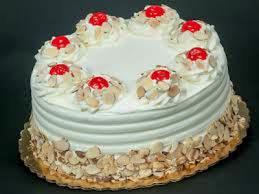
I remember the joy I felt as a child when the Zuppa Inglese (a.k.a. Italian rum cake) made its appearance at the dinner table on holidays. Mounded clouds of whipping cream topped rum-soaked sponge cake; it all melted in the mouth. Being a fan of both whipping cream and the maraschino cherries that dotted the top, I knew it didn’t get better than this (well, maybe it had some competition with the Sacripantina…but more on that another day). In any event, I felt joy.
Or so I thought.
Today, I wouldn’t call eating my favorite dessert a source of JOY. Happiness, yes – happiness that a craving for too much whipped cream was on the brink of satiation.
There’s something more spiritual about joy than just plain old happiness. Don’t get me wrong: I love happy. But joy seems more expansive, as if the soul is silently booming gratitude for what’s happening, whatever it may be. Happiness is a good mood; joy is the spirit elevated.
Happiness is satisfying a big appetite; joy is connecting with family and friends over a meal.
Happiness is beating your brother in bocce ball; joy is feeling deeply connected to your ancestry by holding the same bocce ball your grandfather used when he was a boy.
There’s something about joy that reminds us – either consciously or unconsciously – of our connection to people and the universe, a feeling of belonging, of having some sort of greater purpose in this world.
My mother once told me the story of when she and my father stayed at a gorgeous old hotel high on a cliff above the Mediterranean in Amalfi — an old Cappucin monastery.

One morning at breakfast, their waiter, a philosopher king who’d probably worked there his whole life and had spun his job into an art form, taught her the following 7-syllable poem by the Italian poet Giuseppe Ungaretti:
M’illumino
D’immenso
Roughly translated, it means: “I illuminate myself with immensity.” But immensity of what? Perhaps of everything around us? The title of the poem is “La Mattina,” or “Morning.” What a glorious reminder that every day holds the potential for light and infinite possibility, an uplifting of the soul as it connects with everything around it. The fact that the poem was part of a larger collection entitled Allegria (Joy!) accentuates this link between joy and connection, be it connection to people, the universe, or something greater than yourself.
At this darkest time of the year, when our gardens look sad and we frenetically install artificial lights in trees and on houses to brighten shortening days, the words “joy” and “rejoice” blare at us from radios, ads, and cards — and we find ourselves with many major holidays to celebrate. Celebrations, yes, but also occasions that remind us of relatives who are no longer at the table — connections lost.
Fret not. There is great joy to be found in reforging these connections, in tugging the past up to the present, in bringing back to life those no longer with us with the foods, games, and traditions we associate with them.
When I tried a rum cake last year for the first time in a while, it was much more to me than an excuse to eat a cup of whipping cream in one sitting. I was mentally transported Proust-style back to the holiday tables of long ago; BUT my taste buds pulled me to the present, too, rendering this moment an authentic moment of its own accord — not one buried by nostalgia.
It looks like a piece of Zuppa Inglese can still bring me joy after all.
Che gioia!
What past flavors or traditions will you spin into joy this holiday season?
 kgioia