What does kgioia mean? And what is joy?

Standard

rum cakeWhat exactly does kgioia mean?

Although it sounds like a radio station, kgioia (pronounced “k JOY-a”) is a shortened version of the Italian phrase “Che gioia,” which means “What joy!”

But the bigger question is, what is joy/gioia, really?

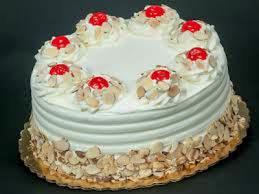
I remember the joy I felt as a child when the Zuppa Inglese (a.k.a. Italian rum cake) made its appearance at the dinner table on holidays.  Mounded clouds of whipping cream topped rum-soaked sponge cake; it all melted in the mouth.  Being a fan of both whipping cream and the maraschino cherries that dotted the top, I knew it didn’t get better than this (well, maybe it had some competition with the Sacripantina…but more on that another day).  In any event, I felt joy.

Or so I thought.

Today, I wouldn’t call eating my favorite dessert a source of JOY.  Happiness, yes – happiness that a craving for too much whipped cream was on the brink of satiation.

There’s something more spiritual about joy than just plain old happiness.  Don’t get me wrong: I love happy.  But joy seems more expansive, as if the soul is silently booming gratitude for what’s happening, whatever it may be.  Happiness is a good mood; joy is the spirit elevated.

Happiness is satisfying a big appetite; joy is connecting with family and friends over a meal.

Happiness is beating your brother in bocce ball; joy is feeling deeply connected to your ancestry by holding the same bocce ball your grandfather used when he was a boy.

There’s something about joy that reminds us – either consciously or unconsciously – of our connection to people and the universe, a feeling of belonging, of having some sort of greater purpose in this world.

My mother once told me the story of when she and my father stayed at a gorgeous old hotel high on a cliff above the Mediterranean in Amalfi — an old Cappucin monastery.

Amalfi Hotel

One morning at breakfast, their waiter, a philosopher king who’d probably worked there his whole life and had spun his job into an art form, taught her the following 7-syllable poem by the Italian poet Giuseppe Ungaretti:

M’illumino 

D’immenso

Roughly translated, it means: “I illuminate myself with immensity.”  But immensity of what?  Perhaps of everything around us?  The title of the poem is “La Mattina,” or “Morning.” What a glorious reminder that every day holds the potential for light and infinite possibility, an uplifting of the soul as it connects with everything around it.  The fact that the poem was part of a larger collection entitled Allegria (Joy!) accentuates this link between joy and connection, be it connection to people, the universe, or something greater than yourself.

At this darkest time of the year, when our gardens look sad and we frenetically install artificial lights in trees and on houses to brighten shortening days, the words “joy” and “rejoice” blare at us from radios, ads, and cards — and we find ourselves with many major holidays to celebrate. Celebrations, yes, but also occasions that remind us of relatives who are no longer at the table — connections lost.

Fret not.  There is great joy to be found in reforging these connections, in tugging the past up to the present, in bringing back to life those no longer with us with the foods, games, and traditions we associate with them.

When I tried a rum cake last year for the first time in a while, it was much more to me than an excuse to eat a cup of whipping cream in one sitting.  I was mentally transported Proust-style back to the holiday tables of long ago; BUT my taste buds pulled me to the present, too, rendering this moment an authentic moment of its own accord — not one buried by nostalgia.

It looks like a piece of Zuppa Inglese can still bring me joy after all.

Che gioia!

What past flavors or traditions will you spin into joy this holiday season?
The Joy of Making Pasta

Standard

BARONI (2)_crop

We walked into the DeLucca’s house and proceeded straight to the kitchen – past the dim entryway, past the crackling fire in the living room, past the dining room table awaiting us.  Right into the belly of the festivities, into a belly full of snakes – hanger after hanger of snakes dangling, waving in the breeze, preparing for their fate in our own bellies.

Yes, we were in a room full of homemade pasta: beautiful angel hair, the first I would ever eat.  And it was everywhere in our friends’ kitchen: suspended from cabinet handles and drawers, draped over the backs of chairs, dangling from light fixtures.  What a joyous, unruly sight!  Such festive chaos.  Mrs. DeLucca was churning out ever more (much like Strega Nonna’s magic pasta pot going haywire), while her children tamed the noodle-snakes on hangers around the room.  They would eventually fill three large platters with celestial capellini con pesto that melted in our mouths.

Che gioia a little memory like that brings.  The whole process occurring in that Italian-American kitchen was a source of joy for the creators and observers alike, and it is a source of glee each time I try to recreate it with my sons (who conveniently love snakes AND pasta).

But, sadly, making pasta these days has been generally relegated to ripping open a bag or box, dumping it in boiling water, and jamming the ends down into submission.  An act of violence, I say – and there’s certainly no gioia in that.

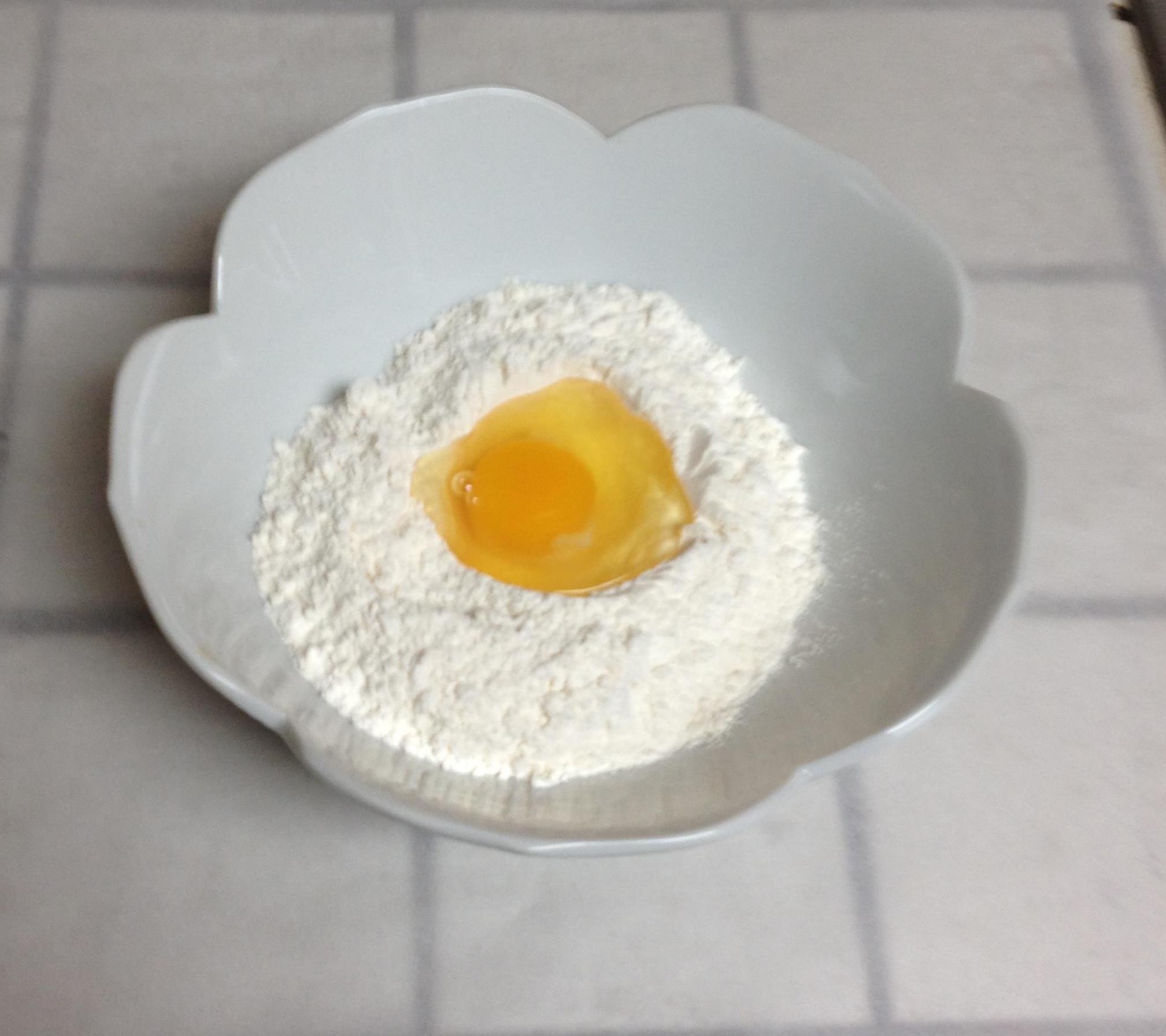
Although it is wonderful that packaged pasta allows the most rushed of us to make a good meal in a flash, there IS decidedly more gioia in making it the way Aunt Irene did: squishing together a raw egg and flour with the hands,

FLOUR AND EGG_crop

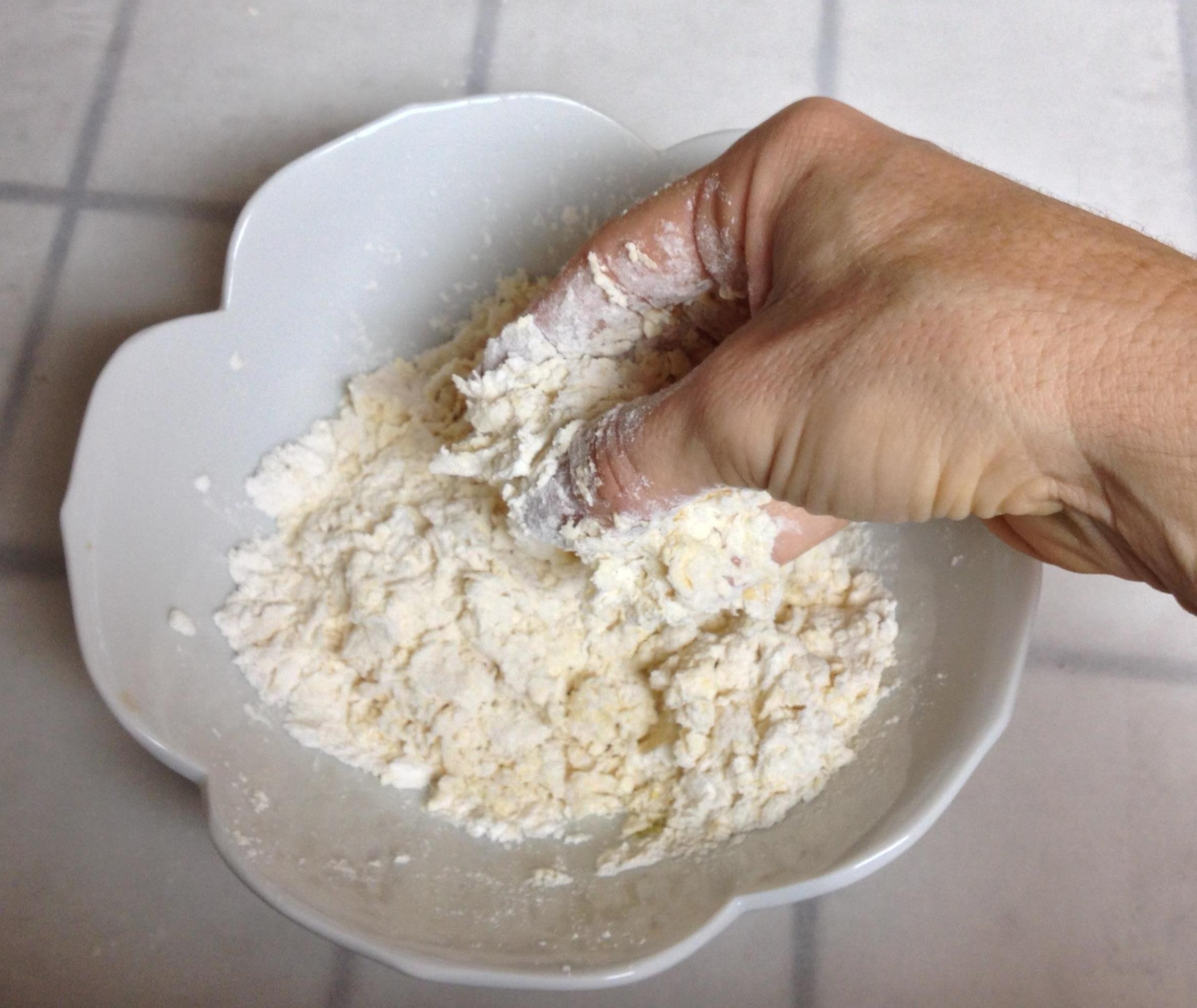
feeling the ooze between the fingers,

PASTA GOOP_crop

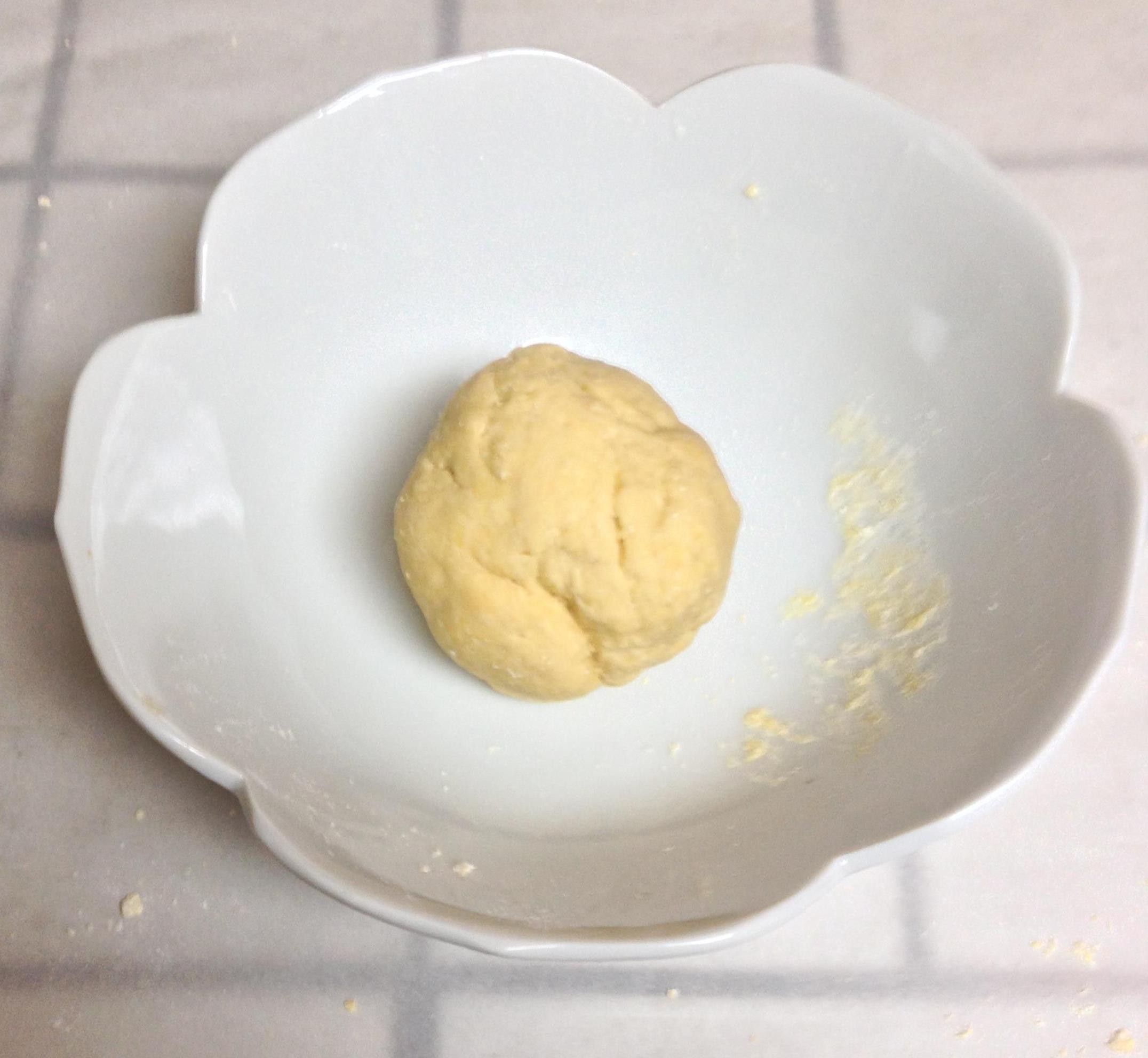
and then watching the transformation of goop to dough.

DOUGH BALL_crop

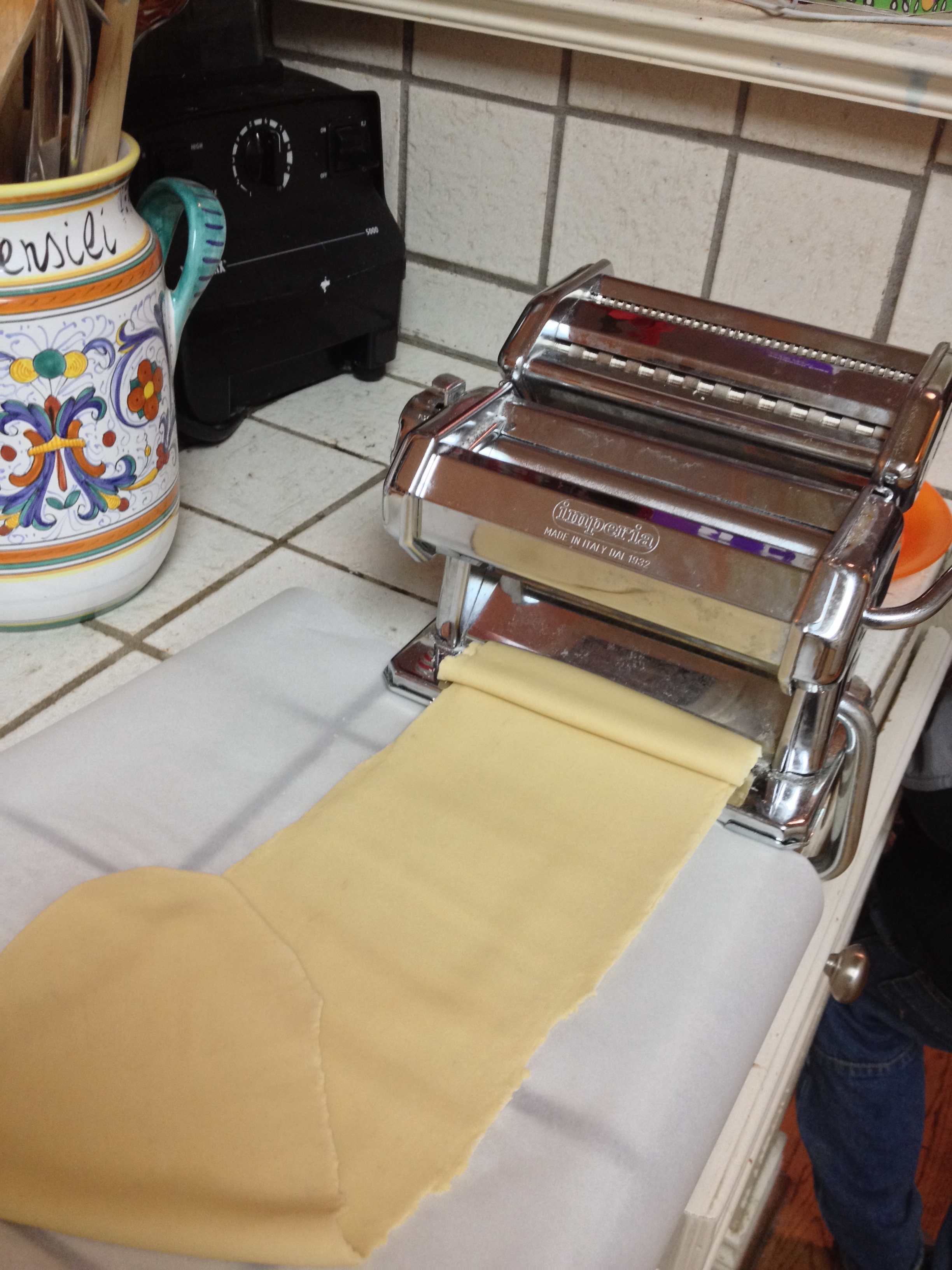
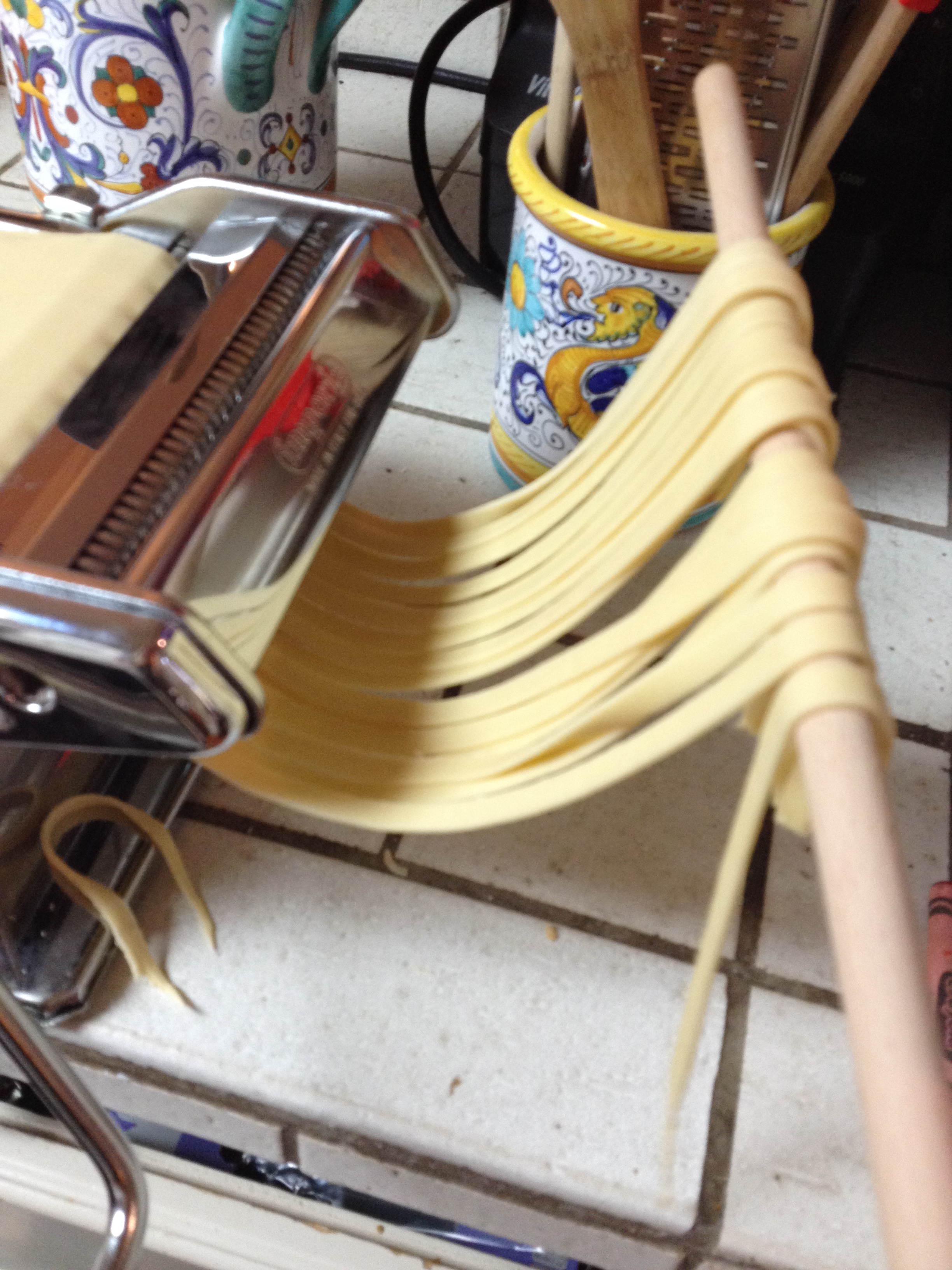
Che gioia in rolling it out on a floured bread board and then churning it through the pasta maker –

pasta machine first

like caterpillar to butterfly.

pasta machine

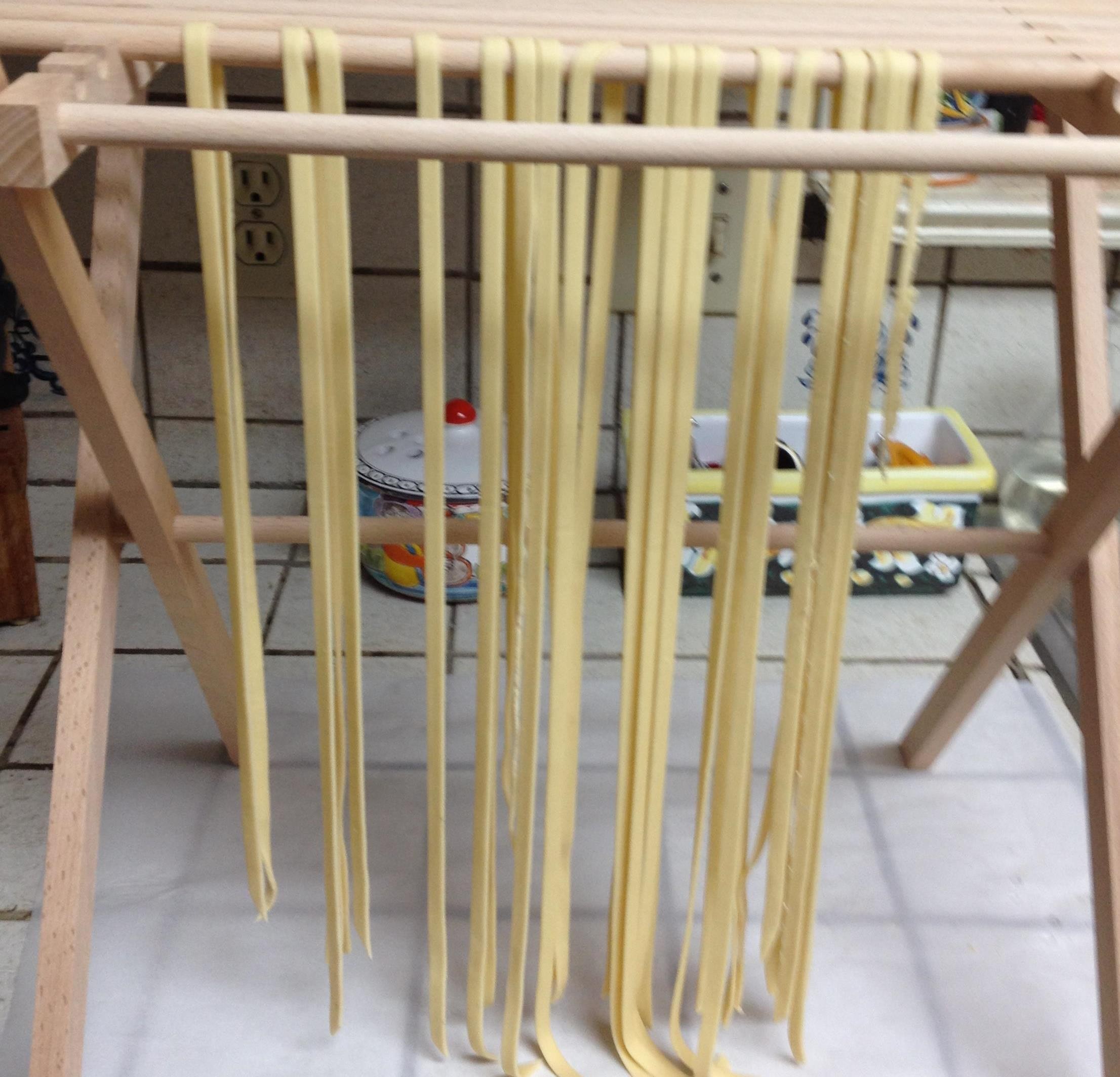
And what joy in finding whatever you have to suspend the pasta from,

PASTA HANGER_crop

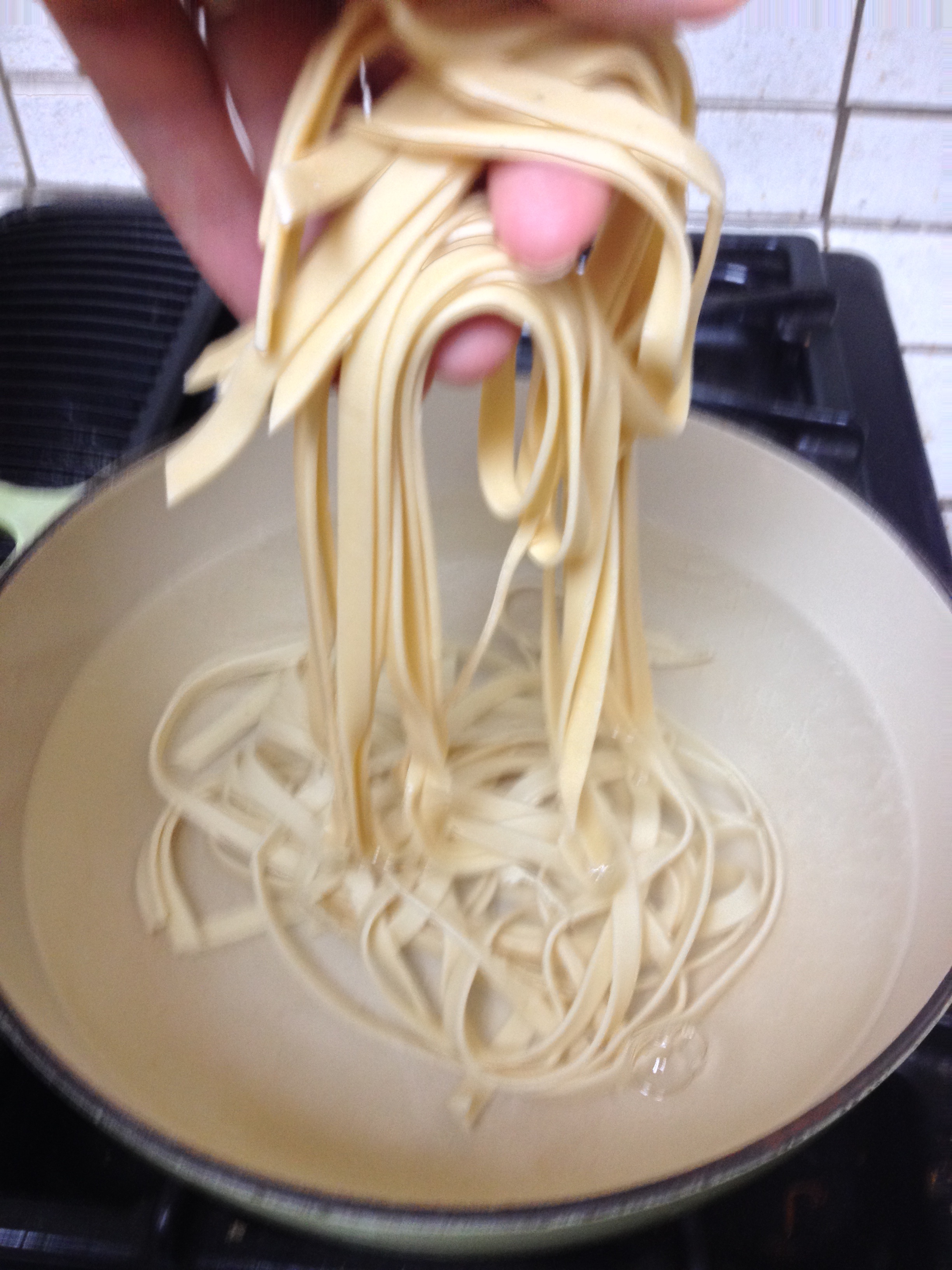
and then finding yourself amidst dancing pasta.  Then there’s that final moment you gingerly place the noodles in a bath of rolling water as you watch your creation gracefully immerse itself – no forced submersion necessary.

photo-3 copy

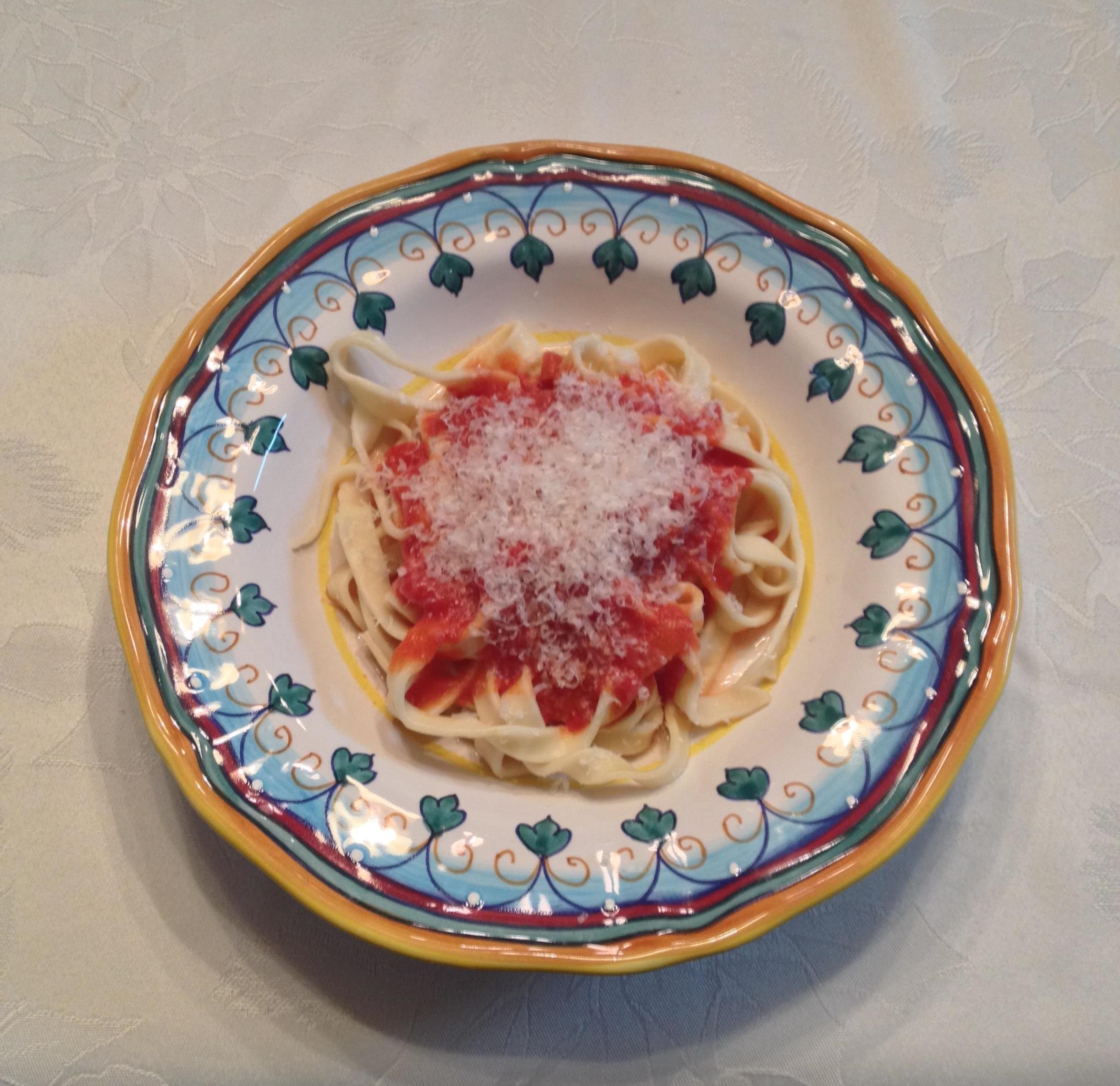
There is such joy in this present act of creation, in the process of transforming simple ingredients into simple edible masterpieces.

PASTA YUM_crop

Yes, it takes a little more time than plopping the contents of a bag into water.  But participating in such an act of creation actually can slow time down, as you savor each joyous moment of watching the metamorphosis unfold before your eyes and in your hands.  It helps you connect more to the present, your food, and the people around you.

CHE GIOIA!

Simple Pasta Recipe (serves 2)

  • 2 cups of flour
  • 2 eggs
  • 1 teaspoon salt
  • 3-4  tablespoons of water and/or olive oil as necessary

Put flour and salt on a board or in a bowl and make a well in the middle.

Crack eggs into the well and gently beat the egg in its flour “bowl.”

Knead the dough with your finger tips until a  more substantial dough forms, adding 3 to 4 tablespoons of water if necessary (may use olive oil in place of some water as well).  Continue kneading – but this time with the palms of your hands – for 4 minutes.  Add flour to board to prevent sticking, if necessary.

Wrap in plastic and set aside 20 minutes.

Feed through pasta machine or roll out and cut noodles to desired size with a knife.

Hang, cook (time depends on noodle size), and…buon appetito!

Little Italy Everywhere, Every Day

Standard

ANT'S IPHONE THRU AUGUST 2013 389_crop

I want to be in Little Italy right now.  Yes, any Little Italy will do: San Francisco’s North Beach, Boston’s North End, New York’s Mulberry Street.  I want to smell the bubbling marinara, the sautéing garlic, the baking pane dolce; I want to hear wine and prosecco corks popping and Italian waiters clamoring for you to join the festivities inside – or on the sidewalk; I want to see the red checkered tablecloths, the joyous faces, and an Italia soccer jacket or two, just as I did when I lived in North Beach prior to moving to Dallas six years ago.  I want to be part of that celebration of life so easily found in a Little Italy.

But I also want to be in Little Italy to dive into the past, to conjure those memories of holidays with my Italian-American family, from homemade cannelloni and prosciutto-wrapped melon, to childhood conversations with the family priest from Malta.  Surrounded by family and a strong Italian presence, we were there because my paternal grandparents had immigrated from northern Italy to San Francisco decades earlier.

There’s something supremely rich about the Italian-American experience and Little Italies in general, these enclaves of Italian culture created by immigrants trying to recreate what they had left behind.  From their butchers, bakers, and grocers, to their traditions and reverence for a meal and the family – and the family meal – the Italian immigrants left an indelible print in their neighborhoods evidenced in the spirit that remains.  Vestiges of their warm and engaging ghosts hang in the atmosphere, and the aura of celebration lives on. The vibrant flavor of a Little Italy  is a reminder of a world the immigrants seem to have literally packed in their bags and brought with them decades ago.

There’s something magical about a Little Italy that lures in the tourist as much as the local.  It is a combination of the food (athough that cannot be said for every restaurant in a Little Italy…) and wine – and perhaps more than anything, it is the ubiquity of that spirit of celebration, connection, community, and family that we all inherently yearn for.

So what’s to be done when no such magical Little Italy exists anywhere in my proximity?

Create it.

And CHE GIOIA I felt when I realized what was right in front of me. What joy to realize that the spirit of Little Italy is all around me, no matter where I am, if I choose to see it.  And that I can share and create it with my own little family at any given moment.

While this site is about indulging memory and honoring the past, it is also about celebrating the here and now, through exploring and creating.  There are so many wonderful blogs focusing on Italy, but I want to revel in what is closer to home – both in the country and literally in my home.  I can “live Italian” by  focusing on the Italian-American experience.

This is a site about exploring the actual, physical Little Italies AND creating a Little Italy of one’s own – both in the home and in cities without a traditional Little Italy. Revel in the here and now via the food, the traditions, the gardening, the music, the games, the legends, the language, the sense of community brought by Italians to America.  It’s about living deliberately by picking a fig from your own garden and noticing the celestial purple and white filaments before you bite into it — just like Nonno would have done. It’s about the heavenly smell of vibrant green basil in your wine barrel planter before you transform it into a delectable pesto dinner.  It’s about sitting down while you eat with your family and friends and connecting over a simple meal — or a game of bocce ball.  It’s about cultivating your own garden, both literally and figuratively.

It’s about bridging past to present, along a path of joy.

So as it turns out, it looks like I am in Little Italy right now — a virtual Little Italy that will become ever larger with each deliberate act of exploration, discovery, and creation.

Che gioia!